
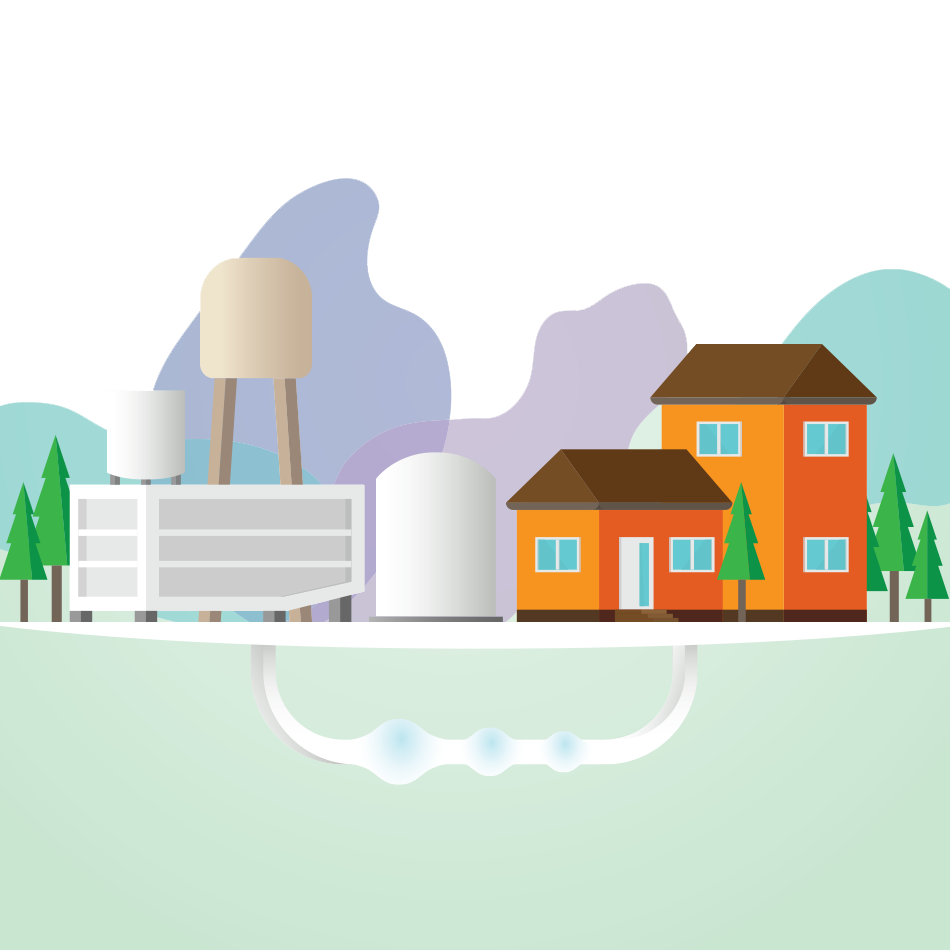
There are several ways water can be supplied to your home, but municipal water is the most common source for many households. While it offers convenience and arrives pre-treated, it’s important to recognize that city water can still come with certain drawbacks. The treatment process and distribution system may leave behind elements that can impact your water’s quality, making it worth a closer look.
Did You Know?
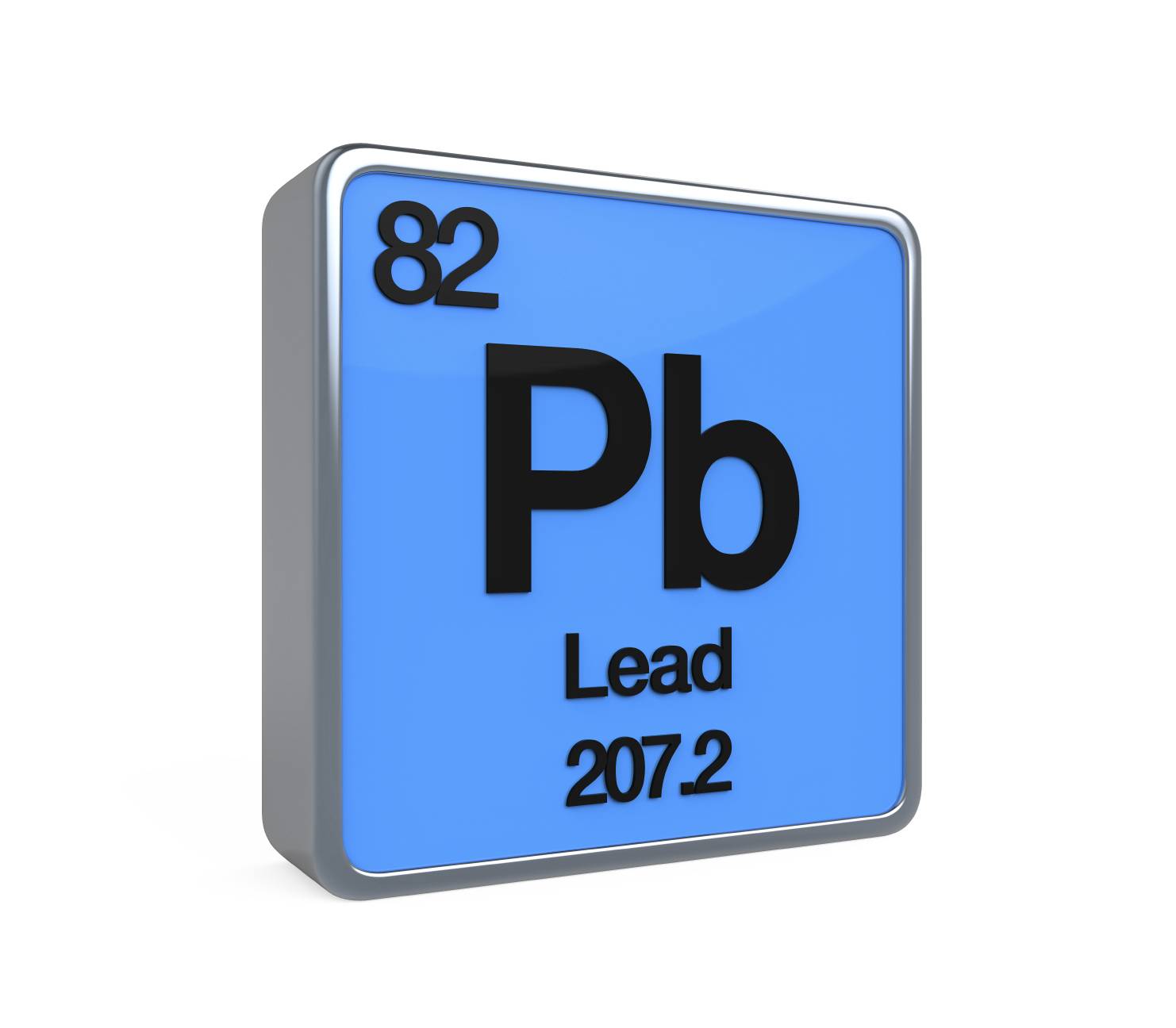
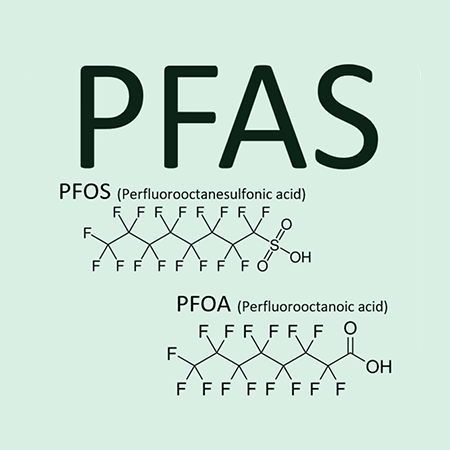
- Contaminants can still be present in city water. Lead, PFOA, PFOS, arsenic, TDS, and chlorine may appear at elevated levels due to aging infrastructure or limitations in municipal treatment systems.
- “Safe” doesn’t always mean “optimal.” The primary goal of municipal water systems is to meet safety standards—not to deliver the highest quality water possible.
- Very little water is tested at the tap. Less than 0.05% of municipally supplied water is actually tested inside homes, where water quality can differ.
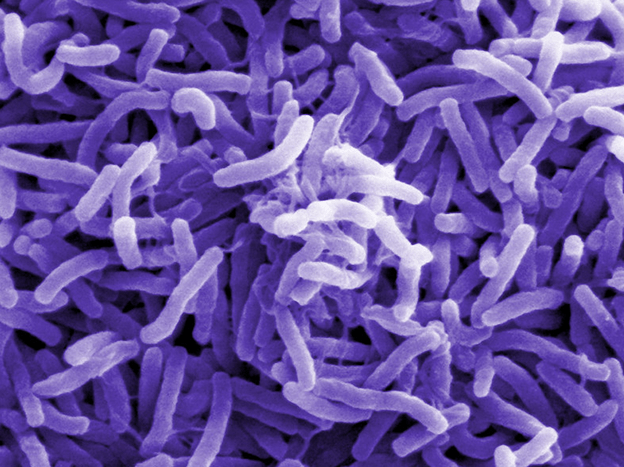
- Contamination can happen after treatment. Even though city water is monitored, it can still pick up waterborne pathogens as it travels through distribution systems.
- Chlorine taste is a common issue. Many homeowners notice a strong chlorine taste or odor in their tap water.
- Consumer concern is high. A large number of people question how well their water is treated—and what it may contain when it reaches their home.
What’s in Your Water?
With so many water treatment options available, it can be difficult to know whether you need a system, or which one is right for your home. A professional water test is the best first step. It provides a detailed analysis of your water, revealing any contaminants and giving you a clear picture of its overall composition. With this information, you can make a confident, informed decision about the solutions that will work best for your household.
Once your water has been tested, you can explore the options available to you. From filtration systems to water softeners and more advanced treatments, the right solution will depend on your test results and your home’s specific concerns. Not all water is the same—so taking the time to choose the right treatment system can make a meaningful difference in your water quality and overall comfort.
Click here for your FREE Water Test.

Water Filters
Water filters provide full-service water treatment by reducing the contaminants that are distributed in the water at the source before the water connects into your home or building. A water filter is necessary to eliminate impurities and pharmaceuticals. Specialized water systems address your water issues and leave you with pure, great-tasting water.
Water Conditioning Systems
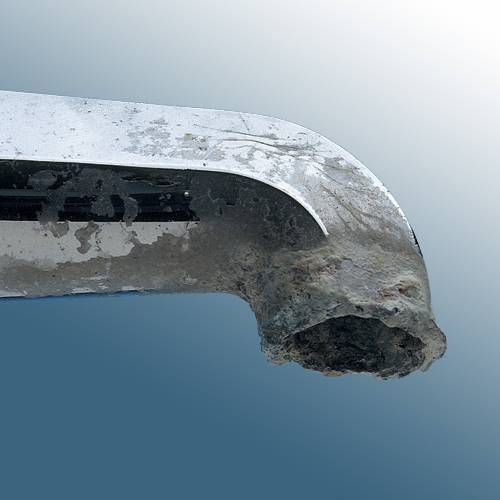
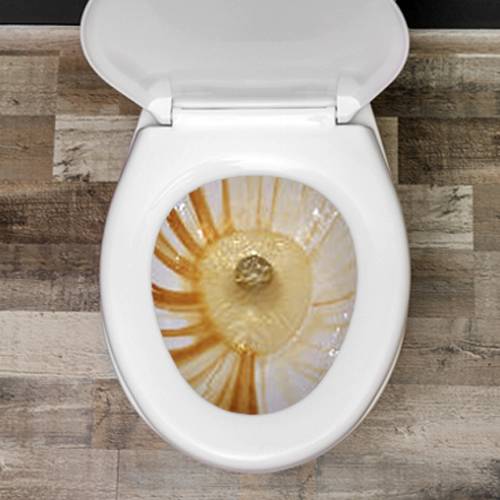
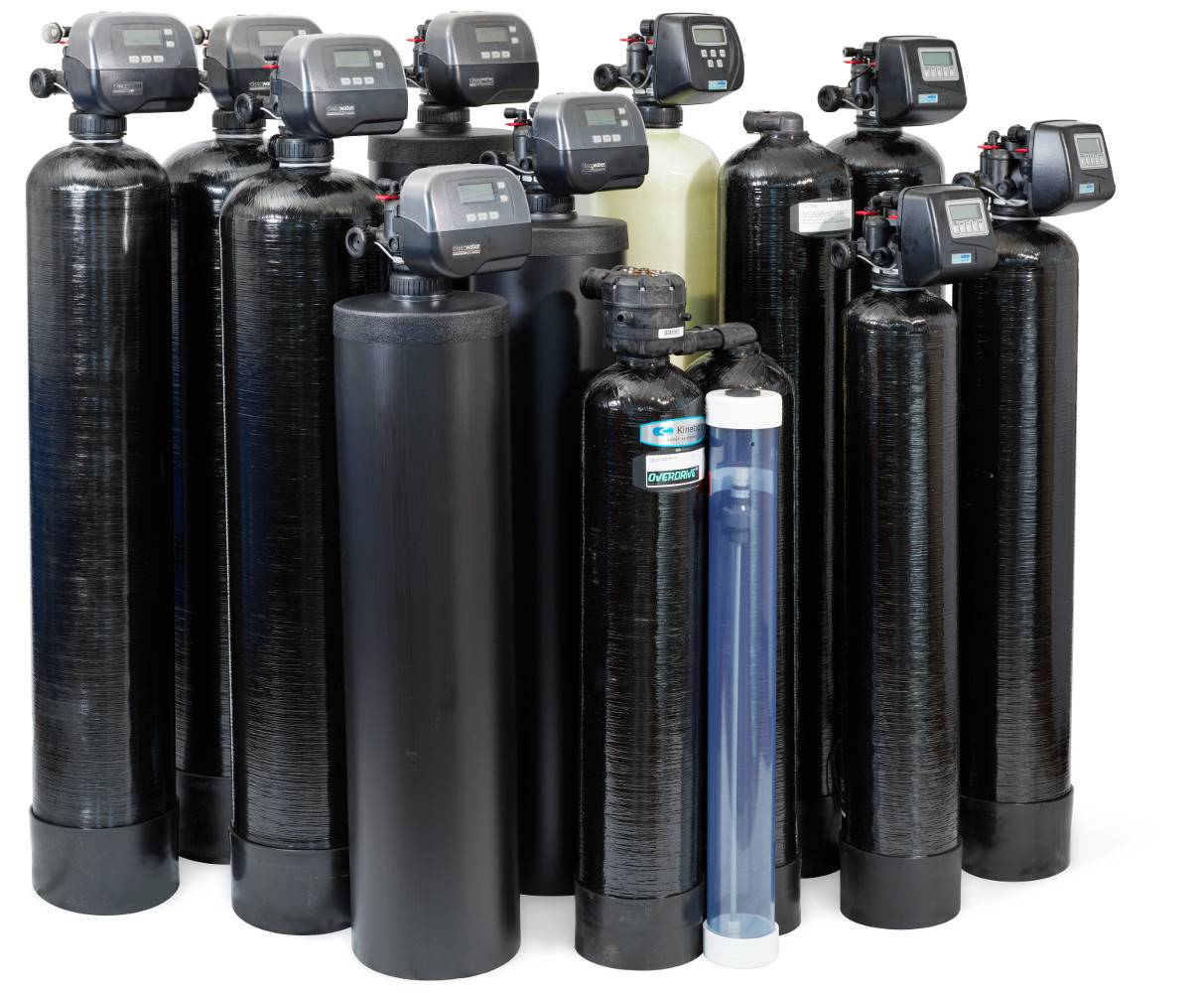
Water conditioning systems are designed to eliminate scale buildup in your pipes. Water conditioners work to eliminate excess sodium in your water since they are salt-free systems. Rather than using salt, the water conditioning system employs a media or catalyst to condition the water. The conditioning is designed to eliminate scale buildup in your pipes.