

Iron & Manganese Impact
Effects of Iron and Manganese in Your Water
The presence of iron and manganese in your drinking water can impact both taste and appearance. Beyond giving water a metallic flavor, these minerals are responsible for unsightly staining and potential damage to your home.
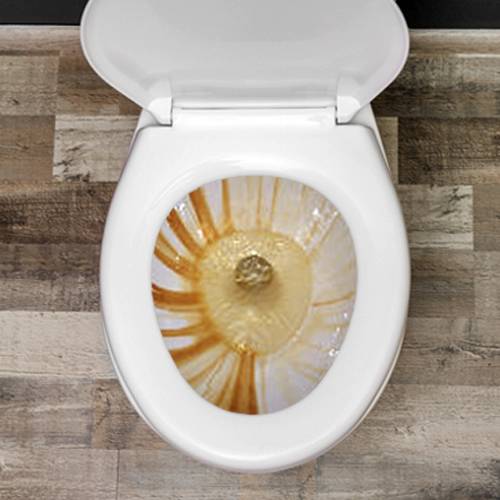
When ferrous iron is exposed to oxygen, it oxidizes and forms orange or brown stains. These stains often appear on toilets, bathtubs, sinks, showers, dishwashers, and washing machines. Manganese, on the other hand, causes dark brown or black stains on laundry, plumbing fixtures, and other surfaces.
In addition to cosmetic issues, iron and manganese can also contribute to pipe corrosion and reduce the efficiency of water-using appliances.
Better-Tasting Water
Does Your Water Taste or Smell Like Metallic?
Iron deposits in your water can create a strong metallic taste, making tap water unpleasant to drink and altering the flavor and appearance of your food.
Vegetables cooked or washed in water containing ferrous iron may become discolored and develop an off-putting taste. Beverages like coffee and tea made with iron-laden water can also taste bitter or unappealing.
Beverages that are made using iron-dissolved water will taste bitter or unappealing, such as coffee and tea.

What Causes a Metallic Taste in Drinking Water?
A metallic taste or odor in drinking water is often the result of metal pipes or the presence of minerals such as iron, copper, or manganese.
In many newer homes, this taste is common because the plumbing has not yet developed a protective lime scale coating, allowing more metal to leach into the water.
- Well owners are more likely to notice metallic tastes or smells compared to those using city water.
What Is an Acceptable Iron Level in Drinking Water?
In many cases where iron is found, manganese is also present. While low levels of manganese are safe for human health, elevated manganese levels are toxic and a health risk for human consumption.
Water Quality Facts
Facts About Iron and Manganese in Water
Key Facts
Manganese (Mn) is often found in groundwater, sometimes alongside iron.
- Iron (Fe) commonly occurs as soluble ferrous iron, often called clear-water iron, or insoluble ferric iron, which may produce reddish or rusty-looking water.
- EPA recommended limits for drinking water are 0.3 mg/L for iron and 0.05 mg/L for manganese.
- Dissolved manganese may produce dark or brownish-black discoloration and staining.
Effects of Iron and Manganese
- Iron can produce orange, reddish, or brown staining when it oxidizes.
- Iron and manganese staining may appear on sinks, toilets, showers, bathtubs, laundry, plumbing fixtures, and appliances.
- Iron buildup can contribute to deposits within plumbing and water-using equipment.
- Iron in water can also interfere with soaps and detergents, making cleaning and rinsing more difficult.
Cleaner Water Starts Here
How to Treat Magnesium and Iron in Drinking Water
A quality water filtration system can effectively reduce iron levels, eliminating metallic tastes and odors from your water. In more severe cases, replacing aging pipes or flushing your plumbing system may be necessary to resolve the problem.
Testing your water is the first step to identify the iron concentration and uncover any other potential issues. If you’re experiencing these concerns, we offer a range of tailored solutions to meet your specific needs.

Get Started Today
Schedule Your Free Water Test or Request a Quick Quote
If you would like to learn more about the quality of your water, contact us or request a quote today! Sign up for our free in-home water test today.