

How Wildfires Can Affect Your Drinking Water: Beyond the Flames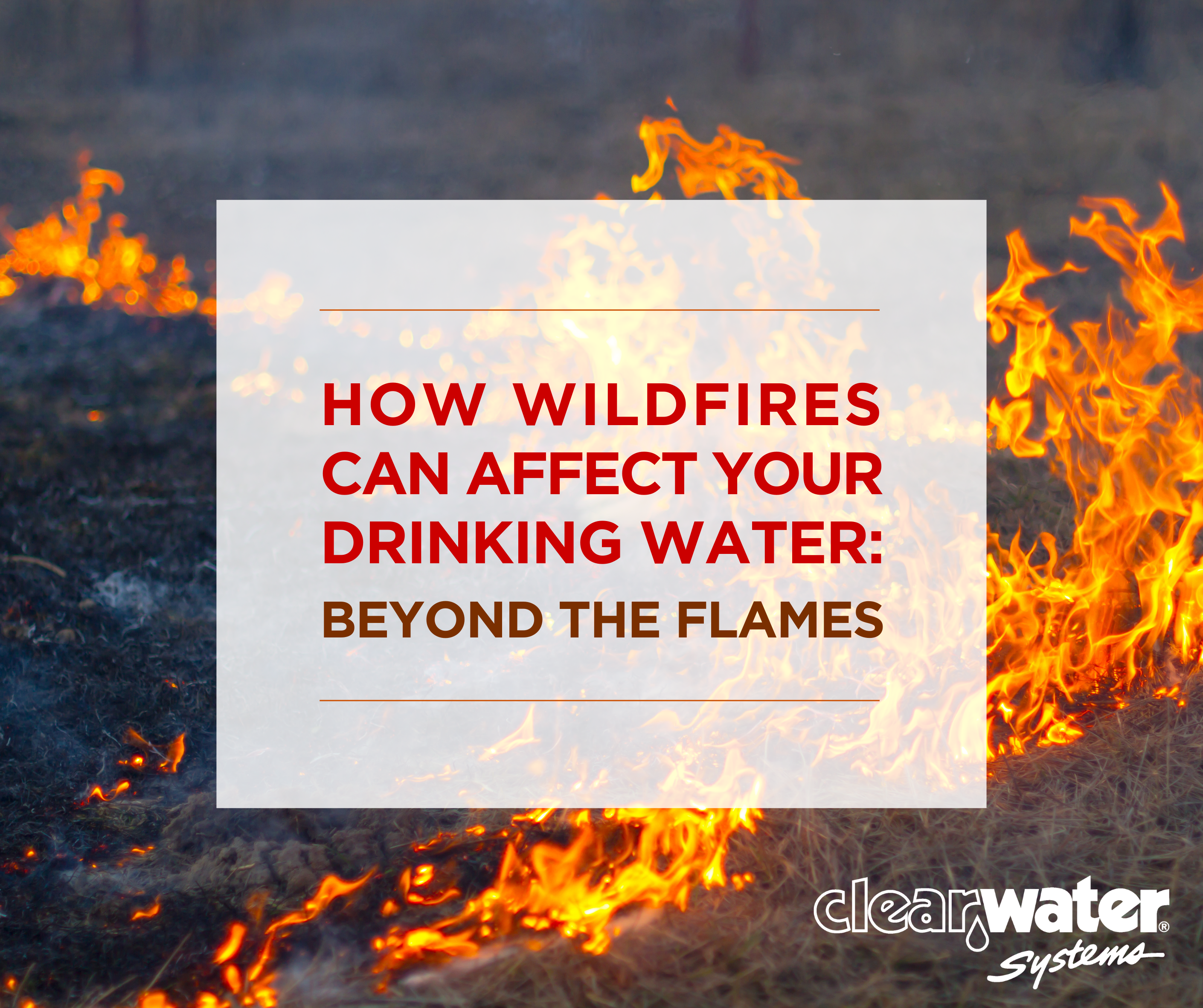
As Pocket Fires burned in northern Arizona, many homeowners were understandably focused on the immediate dangers of flames, smoke, and evacuations. But long after a wildfire is contained, another concern often emerges: what happens to our water? Recent updates indicate the fire has affected thousands of acres in the Coconino National Forest, highlighting the growing frequency and scale of wildfires across the Southwest.
Wildfires don’t just consume forests—they can also impact streams, reservoirs, groundwater, and even private wells through ash, debris, and chemical runoff. Understanding these risks can help homeowners make informed decisions about protecting their drinking water.
Wildfire Runoff Carries More Than Ash
After a wildfire, burned landscapes become vulnerable to erosion. When rain falls on scorched ground, it can wash a mixture of contaminants into nearby waterways, including:
- Ash and soot
- Sediment and heavy metals
- Burned vegetation and organic matter
- Chemicals released from damaged buildings, vehicles, and infrastructure
- Fire suppression chemicals used during firefighting operations
These contaminants can increase water treatment challenges for municipalities and may affect private wells located near burn areas or downstream from wildfire runoff.
What About Firefighting Chemicals?
Modern wildfire suppression often relies on water, fire retardants, and specialized foams depending on the type of fire and the situation.
One category that has received increasing attention is aqueous film-forming foam (AFFF), historically used for fuel and chemical fires, especially at airports and military facilities. Older formulations of these foams often contained PFAS (per- and polyfluoroalkyl substances)—commonly called “forever chemicals” because they break down extremely slowly in the environment.
Research continues to examine how firefighting activities and other industrial sources contribute to long-term PFAS contamination in water supplies.
Why PFAS Matter
PFAS are a large family of manufactured chemicals used for decades in products designed to resist heat, grease, and water. Unfortunately, their durability means they can remain in soil and water for years.
Scientific studies have linked long-term PFAS exposure to concerns including:
- Certain cancers
- Elevated cholesterol
- Reduced immune response
- Thyroid disorders
- Developmental effects in children
Because these compounds do not readily break down, even small amounts can accumulate over time.
Could Your Home’s Water Be Affected?
Not every wildfire leads to drinking water contamination, and public water utilities perform extensive monitoring after major fire events. However, homeowners who rely on private wells may want to be especially cautious if they are located:
- Near wildfire burn areas
- Downstream from burned watersheds
- Near locations where firefighting activities were extensive
- In regions already known to have PFAS contamination
Private well owners are responsible for monitoring and testing their own water, making regular testing especially important following significant environmental events.
Protecting Your Drinking Water
The best approach depends on the contaminants present.
For sediment and ash, filtration systems can improve water clarity and remove particulate matter.
For PFAS, however, specialized treatment technologies are required. Systems using activated carbon or reverse osmosis have been shown to significantly reduce many common PFAS compounds when properly designed and maintained.
If you’re concerned about your home’s water quality following a wildfire—or simply want greater peace of mind—professional water testing is the best first step. Knowing what’s in your water allows you to choose the right treatment solution rather than relying on guesswork.
Clean Water Starts With Knowing What’s in Your Water
Wildfires remind us that protecting our homes extends beyond defending against flames. Water quality can also be affected by changing environmental conditions, making testing and treatment an important part of long-term home protection.
At Clearwater Systems, we help homeowners understand what’s in their water and recommend customized treatment solutions. Whether your concern is sediment, heavy metals, or emerging contaminants like PFAS, our certified water specialists can help you find a solution that fits your home’s unique water needs.
Want to learn more about PFAS and “forever chemicals”? Read our guide on understanding PFAS, how they enter drinking water, and the treatment options available for homeowners.