

What Is the Difference Between Hard and Soft Water?
Believe it or not, the difference between hard water and soft water can have a major impact on your daily life—from how well your soap lathers to how long your appliances last.
Soft water helps prevent scale buildup in pipes, improves the effectiveness of soaps and detergents, and can extend the lifespan of water-using appliances. But many homeowners still wonder: What exactly is hard water, and how soft should my water be?
What is Hard Water?
Hard water contains higher levels of dissolved minerals—primarily calcium and magnesium, along with trace elements like lime and iron. While these minerals aren’t harmful to your health, they can cause buildup and reduce cleaning efficiency.
What is Soft Water?
Soft water is treated to remove hard water minerals. The result is water that works with your home—not against it.
How Soft Should Your Water Be?
Water hardness is measured in grains per gallon (gpg). Even small differences can affect performance.
Common Signs of Hard Water in Your Home
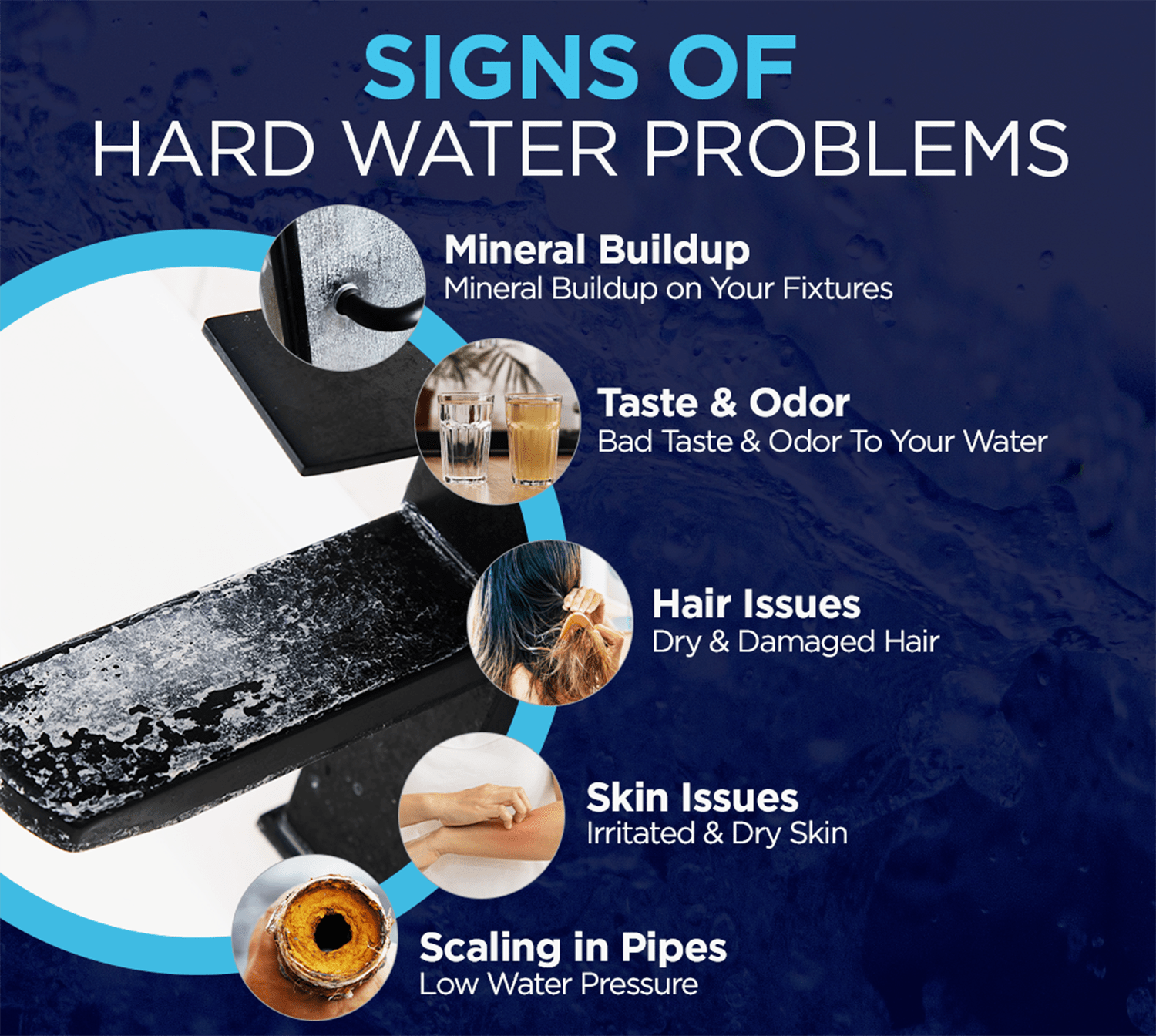
Not sure what type of water you have? Your home may already be showing you the signs:
- White, chalky scale buildup on faucets
- Soap scum on tubs, showers, and sinks
- Cloudy spots on dishes and glassware
- Dingy or stiff laundry
- Reduced water pressure from mineral buildup
How Hard Water Affects Your Home
Hard water doesn’t just affect appearance—it impacts performance, comfort, and cost.
Cleaning Efficiency – Hard water prevents soap from lathering properly. That means:
- Clothes don’t get fully clean
- Dishes come out spotted
- You use more detergent and cleaning products
Skin and Hair – Hard water can leave behind residue that:
- Dries out skin
- Makes hair feel dull or brittle
- Prevents soaps and shampoos from rinsing clean
Appliances and Plumbing – Mineral buildup can:
- Shorten the lifespan of hot water tanks, dishwashers and washing machines
- Reduce efficiency in pipes
- Lead to costly repairs or replacements over time
Water Heating Costs – Hard water actually takes more energy to heat due to mineral content. Over time, this can significantly increase your utility bills, especially as scale builds up inside your water heater.
What Is Soap Scum (and Why Does It Happen)?
Soap scum is the filmy residue left behind when soap reacts with minerals in hard water. Here’s what’s happening:
- Soap binds with calcium and magnesium ions
- This reaction forms a sticky residue instead of lather
- Less soap is available for actual cleaning
That’s why hard water produces fewer bubbles. Your soap is being “used up” trying to soften the water instead.
How to Remove Hard Water Stains
If you’re already seeing buildup, here are some immediate solutions:
- Vinegar + water (50/50): Spray and wipe to dissolve mineral deposits
- Baking soda paste: Great for scrubbing tougher buildup
- Lemon juice: Naturally acidic and effective on lighter stains
Commercial cleaners can also work, but many contain harsh chemicals and should be used sparingly.
How to Prevent Hard Water Problems
Cleaning helps—but prevention is the real solution.
Install a water softener for your home which helps remove minerals before they enter your plumbing. A Kinetico® water softener helps to:
- Prevent scale buildup
- Improve cleaning performance<
- Protect water-using appliances
- Reduce cleaning of faucets and fixtures
- Stay ahead of buildup before it becomes stubborn
What Happens If You Ignore Hard Water?
Left untreated, hard water can lead to:
- Expensive plumbing and appliance damage
- Higher energy bills
- Increased spending on soaps and cleaners
- Ongoing frustration with cleaning and maintenance
Do You Have Hard Water?
If you’re noticing soap scum, scaling, or poor cleaning results, there’s a good chance you have hard water.
The best way to know for sure is through a professional water test. Once you understand your water quality, you can choose the right solution to protect your home and improve everyday life.
Final Thoughts
Hard water might seem like a minor inconvenience, but its effects add up quickly. From your faucet to your water heater, the difference between hard and soft water impacts nearly every part of your home.
Understanding those differences, and taking action, can save you time, money, and effort in the long run.
How Clearwater Systems Can Help
Clearwater Systems provides free water testing to evaluate your home’s water quality. A certified water specialist will analyze your results and recommend affordable treatment solutions tailored to your needs. Get started today!