



Why Does My Water Smell Like Rotten Eggs?
The unpleasant “rotten egg” smell in water is usually caused by one of two factors:
-
The presence of sulfur bacteria or hydrogen sulfide gas in your plumbing system is common in well water or groundwater and is responsible for the foul odor.
-
A chemical reaction in your hot water heater, especially noticeable when using hot water occurs when the magnesium anode rod inside the heater reacts with aluminum or other elements, producing hydrogen sulfide gas.
The Effects of Hydrogen Sulfide in Water
Hydrogen sulfide in water is easily recognized by its strong, unpleasant “rotten egg” odor, which can make drinking, cooking, and bathing uncomfortable. In addition to the smell, hydrogen sulfide can cause noticeable staining and discoloration, leaving metal items such as silverware, fixtures, and plumbing components with a dark or blackish tint after repeated exposure.
Moreover, hydrogen sulfide interferes with the performance of soaps and detergents, reducing their effectiveness and making it harder to get clothes, dishes, and surfaces truly clean. Over time, this contamination can also lead to corrosion, damaging exposed metal parts in household appliances like washing machines, water heaters, and plumbing systems, potentially shortening their lifespan.
As a result, hydrogen sulfide is more than just a nuisance—it can impact water quality, household efficiency, and long-term maintenance costs. However, hydrogen sulfide is just one of many contaminants commonly found in tap water across the United States, making proper water testing and treatment essential for protecting your home and family.
Key Points of Hydrogen Sulfide in Water…
-
Hydrogen sulfide has a strong, unpleasant odor that can make water difficult to tolerate.
-
Metal items like silverware may discolor or develop a blackish tint after frequent washing.
-
Reduce the effectiveness of detergents, making it harder to get clothes truly clean.
-
It corrodes exposed metal parts in appliances such as washing machines.
-
Hydrogen sulfide is just one of many contaminants commonly found in tap water across the U.S.

Solutions for Smelly Water
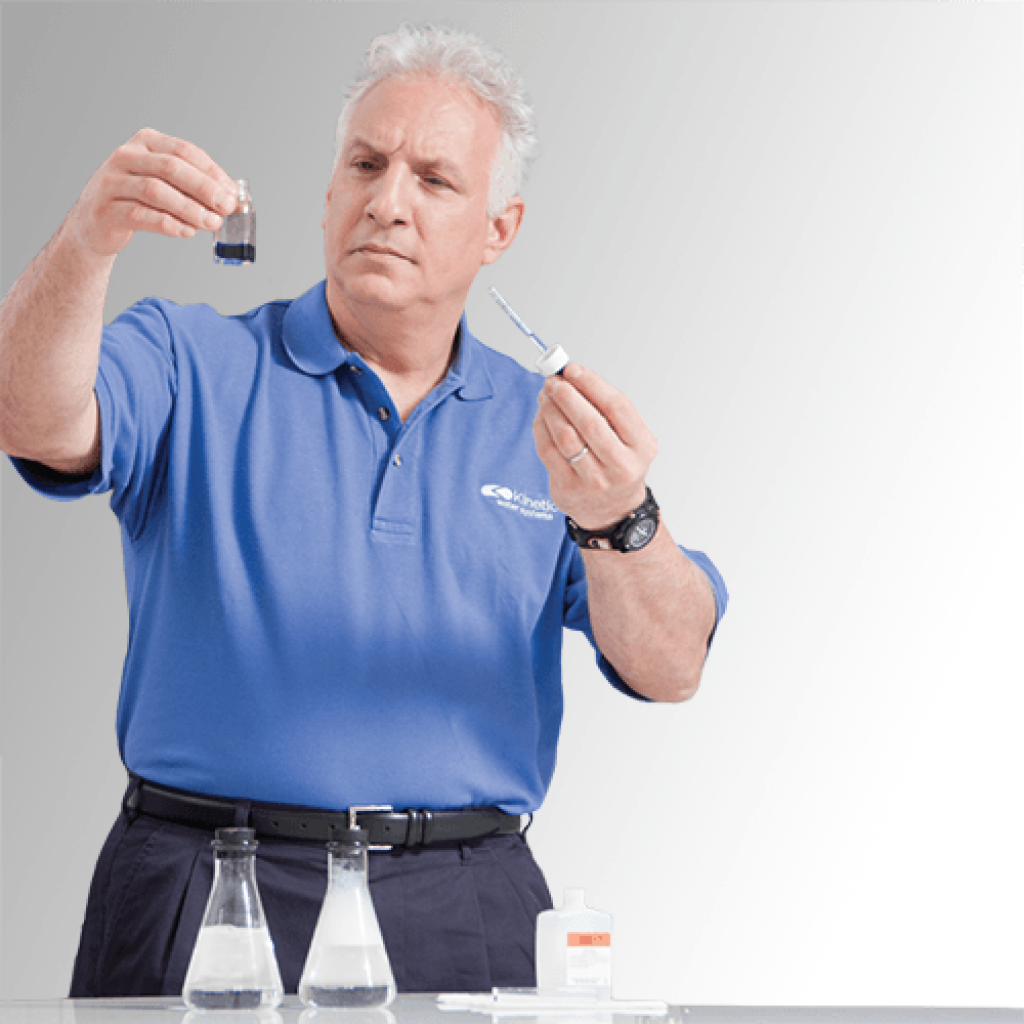
There are several effective methods to remove sulfur from your water, including chlorine bleach treatment, iron removal systems, and aeration. Many water softeners are not designed to address sulfur problems long-term, so it’s essential to consult with a water expert who can recommend the best treatment based on your hydrogen sulfide levels.
A professional water test can identify the source and severity of the problem, guiding you to the most appropriate solution. With the right treatment, excess sulfur can be eliminated, restoring fresh, clean-smelling water to your home.
Does your water smell like rotten eggs? If you are experiencing this issue, we can come up with a solution to remove this problem from your water. Sign up for our free in-home water test today.