For many homeowners, well water represents independence with clean, natural water drawn straight from the ground. But unlike municipal systems, private wells don’t come with built-in oversight. That responsibility falls entirely on the homeowner. And one of the most overlooked threats? Pesticides.
Groundwater is highly vulnerable to contamination from surrounding land use. That includes agricultural runoff, lawn care chemicals, and even improper storage of household products.
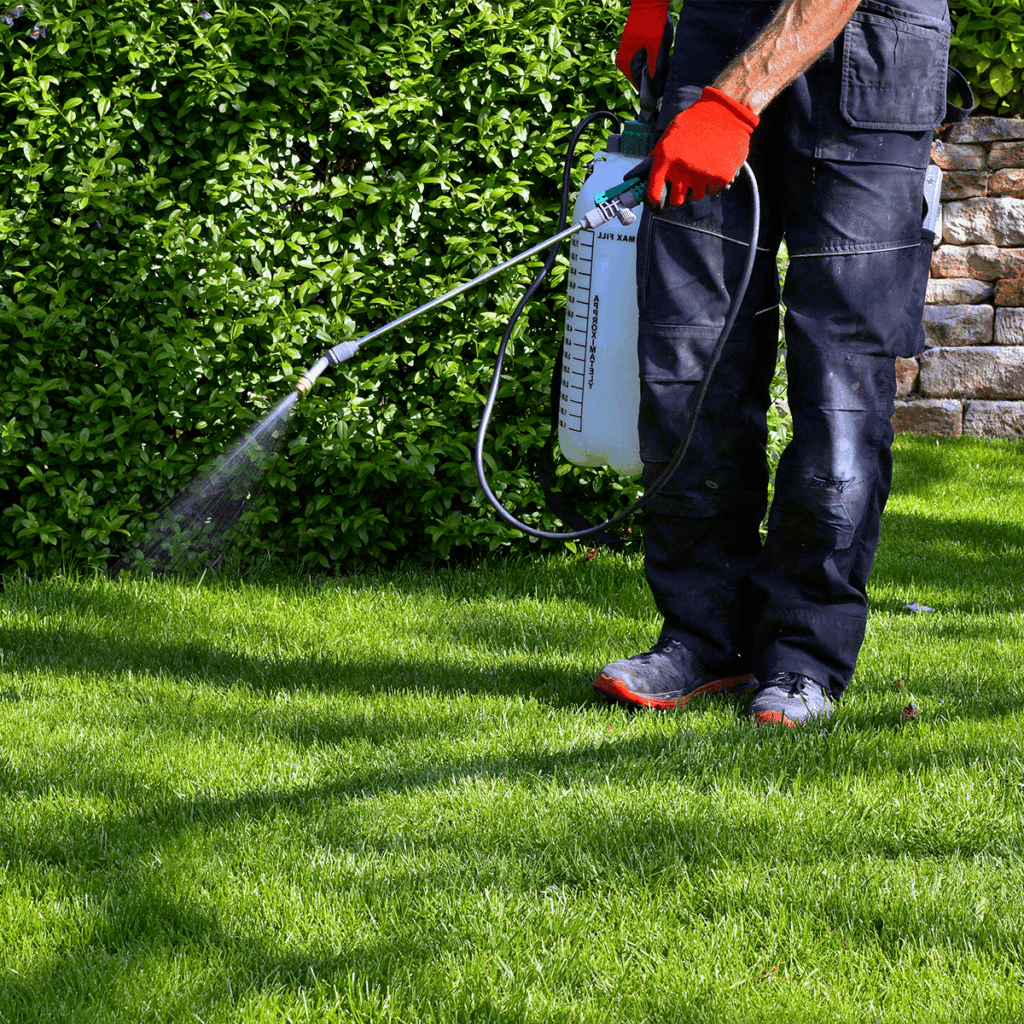
Pesticides don’t just stay where they’re sprayed. Rainfall, irrigation, and soil absorption can carry these chemicals downward into groundwater supplies. Wells can be especially shallow and can act as direct pathways into your home’s water.
Common contamination pathways include:
Visit our Home Well Water page to find out more about nitrates, nitrites, and similar contaminants that often originate from fertilizers, pesticides, and manure: making rural and suburban properties particularly at risk.
Unlike visible issues like cloudy water or metallic taste, pesticide contamination is often invisible and odorless. That makes it especially dangerous.
Long-term exposure to certain pesticides has been associated with:
Because these contaminants aren’t obvious, many homeowners assume their water is safe—when in reality, testing is the only way to know for sure.
Once pesticides are detected, targeted treatment is key. Not all filtration systems address chemical contaminants effectively, so choosing the right solution matters.
Common treatment approaches include:
1. Activated Carbon Filtration
Highly effective at removing many organic chemicals, including pesticides and herbicides.
2. Reverse Osmosis (RO) Systems
Provides a deeper level of filtration, removing a wide range of contaminants at the molecular level.
3. Whole-House Filtration Systems
Protect your entire water supply, not just drinking water, by filtering contaminants at the entry point.
Clearwater Systems can provide a customized approach based on your water.
While treatment systems are critical, prevention can also reduce your risk:
Because well water is so closely tied to its environment, even small changes in land use can impact water quality.
If you rely on a private well, think of your water system as part of your home’s health infrastructure. With the right knowledge and tools, you can ensure that what flows from your tap is as clean and safe as it should be.
Get Started Today
Discover the benefits of a Kinetico Water System. Contact Clearwater Systems today to find the right solution for your home.
Letter from Puronics…
Dear Valued Puronics Customer,
Due to unforeseen circumstances and economic pressures, we will be closing our Puronics Akron location effective May 31, 2022.
To provide for our service commitments to our customers, we are happy to let you know a company called Clearwater Systems will be taking over our business in the greater Akron area.
Clearwater Systems is a leading provider of specialized whole-house and point of use water treatment equipment. Clearwater Systems provides trained professionals to help customers solve their water quality problems. Solutions may range from servicing old equipment, renting products, providing water treatment supplies or even a new system. Our certified water specialists help educate our customers regarding their water, so they can make the best decisions about how to treat their water.
Clearwater Systems was established in 1946, the founding family of Clearwater Systems committed to serving Northeast Ohio and the current Clearwater Systems family serves with the same commitment to great quality and service, providing customers with the highest quality products to get them the best water. The company is currently owned and operated by Jerome P. Kovach, Jr., a water treatment expert, who has over thirty years of experience in the water treatment industry. Clearwater Systems gives their customers the ‘Blue Carpet’ experience, by providing excellent customer service, certified water specialists, and professional service and installation. All of this ensures an overall exceptional experience for the customer.
While we will miss serving you, we know you will be in good hands with Clearwater Systems. The contact information for their office is:
Clearwater Systems
1411 Vernon Odom Blvd.
Akron, OH 44320
888-928-371